
 Form Affinity: Needling
(Self Release)
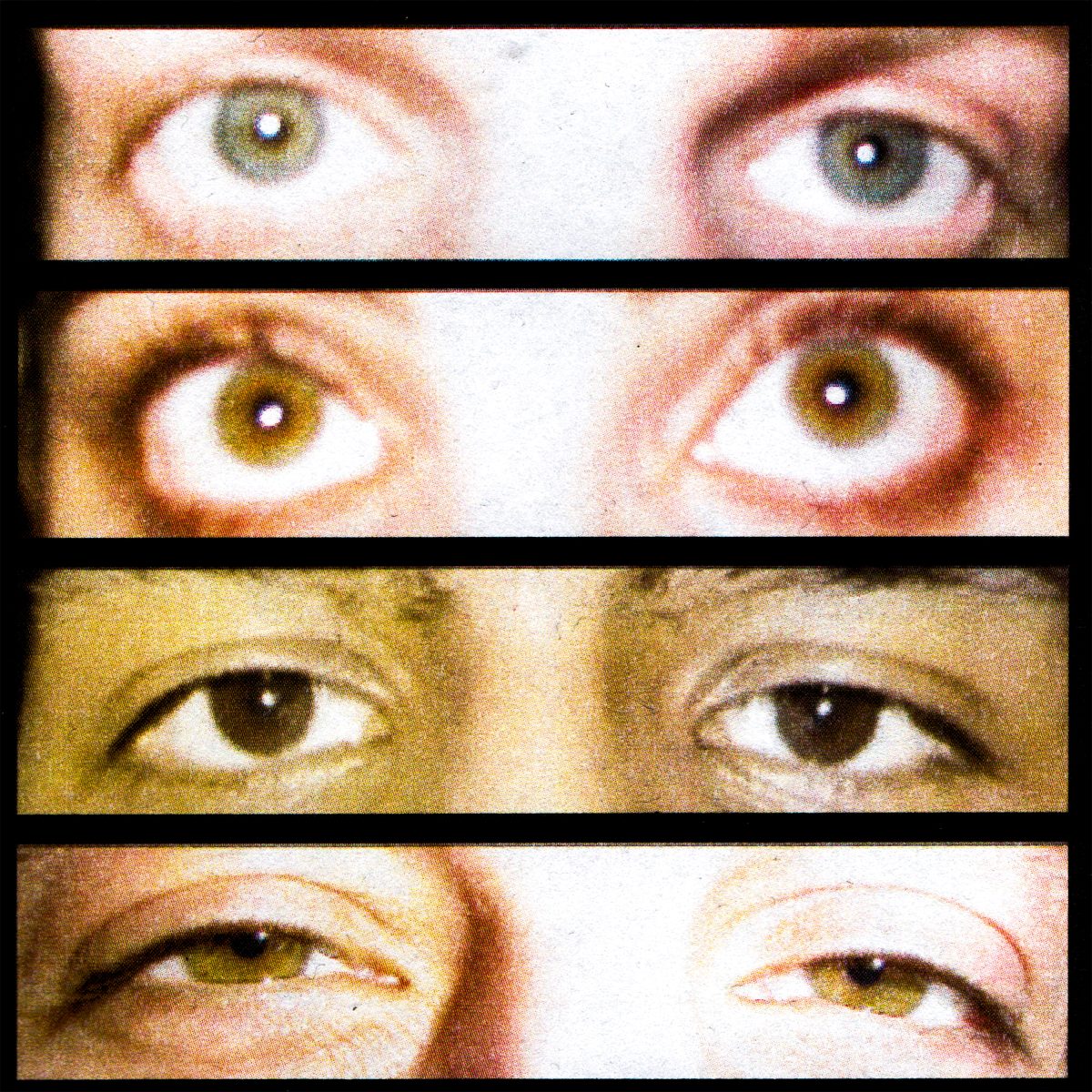
London quartet Form Affinity release their debut full-length Needling. A striking debut which showcases which leans on the dual vocals akin to the likes of Man Woman Chainsaw and Westside Cowboy over soundscapes which move between the bands emo-punk and slowcore tendencies, with undertones of post-punk and garage-grunge, the band showcase raw, unfiltered musicality and a feel for subtly catchy melodies.
Arriving off the back of two years of relentless gigging across London’s grassroots circuit, the record is an introduction to the band’s naturally edgy and gritty sonic approach. Through its loose, live room feeling production, the band’s sound is given a compelling DIY feel which helps deliver the band’s aesthetic as the intricate guitar work is topped by the often layered vocals which move between melodic intimacy and visceral screamo.
[bandcamp width=100% height=120 album=974252896 size=large bgcol=ffffff linkcol=0687f5 tracklist=false artwork=small]
From Needling’s opening track, Goodbye, Columbus, the tone is firmly established. Gentle, clean guitars bubble beneath a solitary falsetto vocal, capturing a sense of intimacy and fragility before the track erupts into a wall of fuzzy guitars and anguished shouts. The drums cut back in for the second verse as the song dips again, only to build toward another heavy release. This use of contrast and suspense, and the way the track moves like a journey through emotion, gives it real momentum—an approach echoed across the record.
Elsewhere, Girls Named Kennedy delivers the same blend of Midwest emo and boxy post-punk/shoegaze textures. Joy Is a Hanging Star opens with a glitching synth that gradually folds into dual-layered guitars, highlighting the melodic and experimental instincts the band are capable of. One of the album’s highlights, it balances emotional, melancholic sincerity with inventive guitar work, tight clean tones colliding with gritty distortion, all locked in with the drums and grounding bass.
Prettiest Girl for All Time leans further into the band’s screamo-tinged melodic layering, while Herner Worzog breaks from the record’s established feel with a more intricate arrangement of piano, acoustic guitars, synths, and woodwind over the band’s core drums and bass, offering their most overt post-punk moment.
Closing with Market Street, the band end the album with a short, sharp burst of fuzz and melody, neatly summarising the record’s central sound in its final statement.
What Needling captures most effectively is not polish or refinement, but a sense of artistic sincerity, intimacy, and intelligence. The album preserves the friction and unpredictability that have come to define Form Affinity’s live presence, while still allowing their ideas to expand and evolve – tracing contrasts between noise and serenity, melodic clarity and hazy intensity. Rather than smoothing those edges in the studio, the band lean into them, allowing the songs to feel exposed and occasionally unstable, as though they are unfolding in real time rather than being carefully fixed in place.
Needling is a sketch-like, textural debut that resists clean resolution. It is less concerned with neatness than with immediacy, drawing its force from a cathartic sense of emotional directness that animates both ideas and riffs, letting the sound fracture, shift, and reform as it plays.
Across the record, this tension between opposing states becomes its defining thread. Songs repeatedly drift between intimacy and intensity, fragile melodic spaces and sudden eruptions of fuzz and distortion, as though constantly teetering between collapse and release. Form Affinity consistently frame emotion as something unstable and in motion rather than fixed. It is in this continual movement, ideas stretched, broken apart, and reassembled, that the album and indeed the band finds their identity.
This is not a perfect debut album, but it gives an exciting taste of what Form Affinity are capable of.

Follow Form Affinity
~
All words by Simon Lucas-Hughes. More writing by Simon Lucas-Hughes can be found at his author’s archive.
A Plea From Louder Than War
Louder Than War is run by a small but dedicated independent team, and we rely on the small amount of money we generate to keep the site running smoothly. Any money we do get is not lining the pockets of oligarchs or mad-cap billionaires dictating what our journalists are allowed to think and write, or hungry shareholders. We know times are tough, and we want to continue bringing you news on the most interesting releases, the latest gigs and anything else that tickles our fancy. We are not driven by profit, just pure enthusiasm for a scene that each and every one of us is passionate about.
To us, music and culture are eveything, without them, our very souls shrivel and die. We do not charge artists for the exposure we give them and to many, what we do is absolutely vital. Subscribing to one of our paid tiers takes just a minute, and each sign-up makes a huge impact, helping to keep the flame of independent music burning! Please click the button below to help.
John Robb – Editor in Chief
PLEASE SUBSCRIBE TO LTW




Leave a comment